

Modern athlete’s foot treatment is a multi-layered medical process aimed at the total eradication of dermatophyte fungi and the restoration of the skin’s protective barriers. The primary goal of therapy is not merely the temporary relief of itching, but the deep destruction of the fungal mycelium to prevent dangerous complications such as bacterial cellulitis or lymphangitis—risks that are particularly critical for patients with diabetes.

Identifying the Primary Signs of Athlete's Foot
Fungal infections often masquerade as simple irritation or dry skin caused by the Southern California heat. However, there are specific signs of athlete’s foot that indicate the need for professional intervention:
-
Interdigital Maceration: The skin between the toes becomes white, moist, and begins to peel or crack.
-
Hyperkeratosis: Thickening and intense scaling of the soles, often following a “moccasin” distribution.
-
Itching and Burning: Discomfort that significantly intensifies after a long day in sneakers or work boots.
-
Dermatophytid (Id) Reaction: In some cases, an allergic response triggers small blisters on the hands, signaling a systemic immune response to the foot fungus.
The biochemical activity of the fungus centers on the destruction of skin keratin. A key target for treatment is the synthesis of ergosterol—the foundation of the pathogen’s cell membrane. This synthesis process follows a specific chemical pathway:
Advanced Diagnostic Protocols in Podiatry
A definitive diagnosis is the cornerstone of successful therapy. While visual inspection is common, modern podiatric clinics in California employ laboratory confirmation to differentiate tinea pedis from psoriasis or contact dermatitis.
Office-Based and Laboratory Testing:
-
KOH Microscopy: Skin scrapings are treated with potassium hydroxide for immediate confirmation under a microscope.
-
PCR DNA Testing: This is the most accurate method available in the U.S. today, identifying the specific species of fungus within 24 to 48 hours for highly targeted athlete’s foot treatment.
-
PAS Staining: Used in complex cases to detect fungal elements within deeper skin layers.
Therapy Options: Athlete's Foot Medications Over the Counter
Common OTC Forms:
-
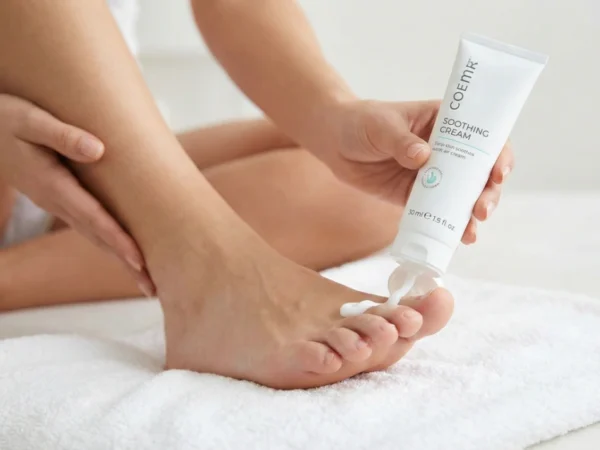
Antifungal Cream for Athlete’s Foot: Creams (like Terbinafine) are effective for localized treatment, ensuring prolonged contact and moisturizing the skin.
-
Athlete’s Foot Spray: Highly convenient for treating large areas and disinfecting the interior of athletic footwear.
-
Athlete’s Foot Powder: Helps absorb excess moisture throughout the day, depriving the fungus of its preferred humid environment.
Even the most proven remedies for athlete’s foot require discipline: application must continue for 7–14 days after all visual symptoms have disappeared to prevent recurrence.
High-Tech Solutions: Lasers and Professional Wound Care
When standard antifungal medicine for athlete’s foot fails, Dr. Kaplansky employs advanced clinical methods to break the cycle of infection.
1. Cool Touch Varia Laser
A breakthrough in podiatry, this laser targets the fungus using specific wavelengths of light that penetrate deep into the skin and nail plate without damaging healthy tissue.
-
Advantages: The procedure is painless and serves as an excellent alternative for patients who cannot take oral drugs for athlete’s foot due to liver concerns.
2. Wound Care (Professional Management)
For patients with deep cracks and sores, professional Wound Care is vital.
-
Bioactive Dressings: Using silver-impregnated or hydrogel dressings helps neutralize bacterial activity.
-
Debridement: Removing infected tissue ensures that antifungal medicines can penetrate more effectively, preventing secondary infections like cellulitis.
Comorbidities: Onychomycosis and Diabetes Risks
Environmental Decontamination:
-
The 24-Hour Rule: Allow shoes a full day to dry completely. Fungal spores can survive in damp shoes for months.
-
Chemical Disinfection: Use an athlete’s foot spray to treat all athletic and work footwear regularly.
-
High-Heat Laundering: Wash socks and bed linens at temperatures of at least 60°C (140°F).
-
Protective Footwear: Always wear “shower shoes” in public gyms and poolside areas.
Today, athlete’s foot treatment is highly effective. Utilizing modern antifungal medicines and laser technology allows Los Angeles residents to maintain an active lifestyle without the burden of pain or discomfort.

Frequently Asked Questions
How to relieve itchy athlete's foot fast?
Does Lysol spray kill athlete's foot fungus?
What is the best thing to soak your feet in for athlete's foot?
A vinegar soak (one part white vinegar to two parts water) creates an acidic environment that inhibits fungal growth. Epsom salt can also help dry out blisters and soothe the skin, though it does not kill the fungus directly.
Can I use athlete's foot cream for a yeast infection or nail fungus?
While some antifungal medicines like clotrimazole work for both, athlete’s foot cream is generally not strong enough to penetrate the nail plate for nail fungus. Always consult a professional before using these creams for other types of infections, such as those under the breast or in the groin.
What are the best socks for athlete's foot?
The best socks for athlete’s foot are made from moisture-wicking synthetic fibers (like Coolmax) or copper-infused fabrics. Toe socks are particularly helpful as they keep the skin between the toes dry and prevent friction.
How do I get rid of athlete's foot permanently?
Permanent eradication requires completing the full course of athlete’s foot treatment, even after symptoms stop. You must also disinfect all your shoes, wash your socks in hot water, and consistently use an athlete’s foot powder to maintain a dry environment.
References
-
Tinea Pedis – StatPearls – NCBI Bookshelf https://www.ncbi.nlm.nih.gov/books/NBK470421/
-
Tinea Pedis (Athlete’s Foot) – Dermatologic Disorders – MSD Manual Professional Edition https://www.msdmanuals.com/professional/dermatologic-disorders/fungal-skin-infections/tinea-pedis-athlete-s-foot
-
Athlete’s foot – Symptoms and causes – Mayo Clinic https://www.mayoclinic.org/diseases-conditions/athletes-foot/symptoms-causes/syc-20353841
-
Athlete’s Foot – APMA (American Podiatric Medical Association) https://www.apma.org/patients-and-the-public/conditions-affecting-the-foot-and-ankle/athletes-foot/
-
Athlete’s Foot | Tinea Pedis – MedlinePlus (U.S. National Library of Medicine) https://medlineplus.gov/athletesfoot.html
-
Tinea pedis: an updated review – PMC (National Institutes of Health) https://pmc.ncbi.nlm.nih.gov/articles/PMC10321471/
-
Clinical Guidance for Group A Streptococcal Cellulitis – CDC https://www.cdc.gov/group-a-strep/hcp/clinical-guidance/cellulitis.html
-
Ask the Doctors – How can I avoid catching my husband’s athlete’s foot? | UCLA Health https://www.uclahealth.org/news/article/ask-the-doctors-how-can-i-avoid-catching-my-husbands-athletes-foot
-
Dermatology for the practicing allergist: Tinea pedis and its complications – PMC https://pmc.ncbi.nlm.nih.gov/articles/PMC419368/
-
OTC Guide 2024: Leading The Way | Pharmacy Times https://www.pharmacytimes.com/view/otc-guide-2024-leading-the-way