

This content is for informational purposes only and does not constitute medical advice. Please consult with a licensed podiatrist for a personalized evaluation and treatment plan. Individual results may vary.
Summer heat is a hidden danger for a diabetic foot because high temperatures, poor blood flow, and nerve damage cause severe burns and infections without you feeling any pain. Hot pavement, tight sandals, and damp pool decks can quickly turn a small foot problem into a medical emergency. You must see a doctor right away if you notice any redness, swelling, or slow-healing blisters. Waiting too long can lead to deep bone infections that require emergency surgery in just a few days.
If you live in Los Angeles, California, specialized medical help is available to protect your feet. Catching problems early and having a professional check your feet will lower your risk of infection. Schedule a visit with Dr. Arkady Kaplansky to get complete foot care and quickly treat any summer injuries.
How Do Heat and Nerve Damage Affect Your Feet?
According to 2025 to 2026 guidelines from the American Diabetes Association (ADA), warm weather brings specific dangers when you manage metabolic conditions. The biggest problem in the summer is diabetic peripheral neuropathy. This is a condition that damages your nerve fibers. It stops pain signals from reaching your brain.
Because of this, you lose the ability to feel high heat, severe rubbing, or physical cuts. This makes it very easy to hurt your feet without noticing.
| Health Issue | What Happens to Your Body | Biggest Summer Danger |
|---|---|---|
| Nerve Damage | You lose the ability to feel pain. | You can get severe burns from hot surfaces. |
| Sweat Gland Damage | Your sweat glands stop working. | Your skin gets very dry and cracks deeply. |
| Poor Blood Flow | Less blood reaches your feet. | Small cuts and injuries cannot heal well. |
The Danger of Dry Skin and Deep Cracks
When these cracks are exposed to high heat and dry air, they become open doors for dangerous germs.
Extreme heat also messes with your body’s fluid balance. Sweating heavily in hot weather makes you lose water quickly. When you are dehydrated, your overall blood volume drops.
Your body responds by shrinking the blood vessels in your arms and legs. This lack of blood flow leaves any potential wounds without the oxygen and nutrients they need to heal.
Why Are Hot Pavements and Sand So Dangerous?
| Surface Material | Air Temperature | Surface Temperature | What Happens to Bare Skin |
|---|---|---|---|
| Black Asphalt | 85 to 95 degrees F | 140 to 150 degrees F | Causes a burn in 15 to 30 seconds |
| Beach Sand | 75 to 90 degrees F | 102 to 120 degrees F | Causes severe skin damage in under a minute |
| Concrete Sidewalk | 86 degrees F | 108 degrees F | Causes deep tissue damage over time |
A healthy person will instantly pull their foot away from a 140-degree surface because it hurts. But if you have advanced nerve damage, you can stand on burning sand or pavement for a long time without feeling a thing. People often do not discover these burns until hours later. By then, the burn is usually already infected.
High-Risk Summer Areas in Los Angeles
- Exposed beach sand during the middle of the day.
- Sunny concrete walkways at theme parks.
- Dark asphalt parking lots.
- Tile or stone surfaces around public swimming pools.
Why Should You Avoid Sandals and Flip-Flops?
To keep a backless shoe from falling off, your toes have to grab the sole with every step you take. This constant gripping bends your foot out of shape. It puts unnatural pressure on the bottom of your feet.
Thick calluses quickly form in these areas of high pressure. Hidden blood blisters and deep sores often grow underneath these hard calluses. The thin straps of open sandals also dig into feet that are swollen from the heat, cutting off blood flow.
The Hidden Risks of Walking Barefoot
Also, public swimming pools and beach showers are hot, wet, and humid. These shared spaces are the perfect home for dangerous germs to multiply. When your feet soak in water for a long time, the skin gets soggy. This soggy skin loses its ability to protect you from fungal and bacterial infections.
How Can You Protect Your Feet Every Day?
If your protective barriers fail and you get a summer injury, an infection can happen fast. Bacteria can form a thick, slimy shield over the burn or sore. This shield protects the bacteria from your body’s white blood cells.It also stops antibiotic medicines from reaching the germs. You cannot remove this dangerous layer by routine washing or gentle cleaning at home.
Daily Safety Habits to Follow
- Check your feet: Look at the bottoms, heels, and between your toes every night. Use a mirror or ask a family member for help.
- Wear safe shoes: Choose special closed-toe shoes with a wide toe area, no inside seams, and a stiff sole. Wear them even for short walks outside.
- Control moisture: Wear special socks made from synthetic blends. These socks pull sweat away from your skin to keep your feet dry and stop rubbing.
- Hydrate your skin: Use strong, medical-grade creams with urea to soften very dry skin on your heels and soles. Do not put cream between your toes.
- Test surfaces for heat: Touch the pavement or sand with the back of your hand for a few seconds before stepping on it. This gives you a true reading of how hot the ground is.
What Are the Rules for Safe Pedicures and Summer Exercise?
Rounding the corners to match the shape of your toe is unsafe. As a rounded nail grows, the sharp edge can poke into the soft skin on the side of your toe. This causes tiny cuts that quickly get infected.
| Task | The Safe Way | The Dangerous Way |
|---|---|---|
| Nail Trimming | Cut straight across | Rounding the corners |
| Callus Care | Have a doctor remove them | Using metal razors at home |
| Smooth Edges | Gently use a nail file | Picking at sharp edges |
Never try to remove thick calluses with metal razors, sharp clippers, or chemical callus pads from the store. These tools cause deep tissue damage and chemical burns that you cannot fix at home. A trained foot doctor should always handle callus removal and tricky nail trimming in a clean, safe medical office.
Safe Exercises for Hot Weather
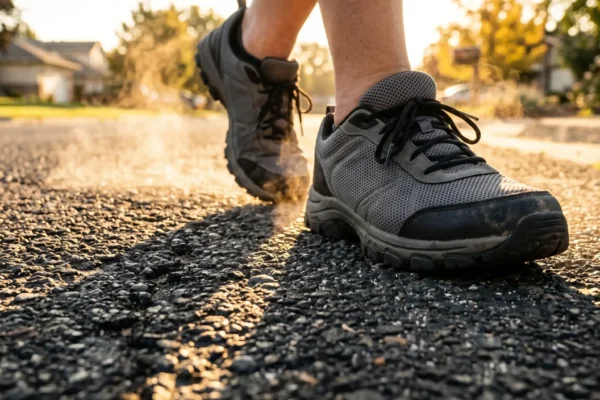
Also, walking or running on hot pavement pushes heat right through the bottom of your sneakers. This raises the temperature inside your shoes and makes painful friction blisters much more likely to happen. Protect your feet by choosing the right activities.
Keep Your Feet Safe This Summer
Frequently Asked Questions
Can I walk barefoot on the beach if I have diabetes?
Walking barefoot exposes you to severe burns from hot sand and hidden sharp objects. Nerve damage can prevent you from feeling the heat, leading to serious diabetic foot pain and slow-healing wounds. Always wear protective water shoes to keep your feet safe.
Why are flip-flops bad for a diabetic foot?
Flip-flops lack firm heel support, forcing your toes to grip the sole and causing unnatural pressure. This constant rubbing leads to painful foot blisters and deep calluses. Instead, choose closed-toe orthopedic shoes for proper diabetes management.
How should I treat dry feet and diabetes in the summer?
Use a medical-grade cream with urea daily to moisturize your heels and the bottoms of your feet. However, never apply lotion between your toes, as extra moisture can cause fungal infections. Keeping your skin hydrated prevents deep cracks and harmful bacteria from entering.
What should I do if I get a foot blister from hot pavement?
You must see a foot doctor immediately, as blisters can quickly turn into deep, infected sores due to foot circulation issues. Never try to pop or treat a thermal burn at home. Early professional care is essential to prevent severe complications and protect your health.
Why do my feet swell during the summer heat?
High temperatures make your blood vessels expand, which can cause fluid to build up in your ankles and toes. While some swelling is normal, sudden changes can signal an infection or worsening problems with feet. Elevate your legs when resting and consult your doctor if the swelling does not go down.