Wound Care is a specialized medical discipline focused on the diagnosis, deep cleansing, and stimulation of tissue regeneration to prevent infections and serious complications. For those seeking a doctor for wounds, the primary objective is to create an optimal microenvironment—balancing moisture, pH levels, and temperature—to facilitate the rapid closure of the wound surface and minimize scarring.

A Physician’s Note
If you are struggling with a non-healing wound, signs of inflammation, or are recovering from foot surgery, do not delay your visit. Early intervention is the most effective way to avoid chronic infections and the risk of amputation. At our Los Angeles clinic we develop customized treatment protocols to help patients return to their active lifestyles as quickly as possible. Schedule your consultation today to regain your mobility.
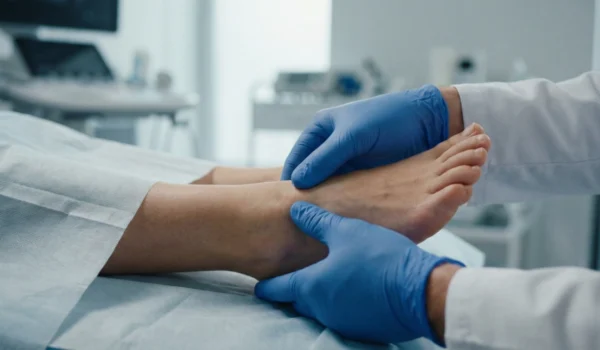
A clinical close-up with clean, neutral lighting. A patient's foot lies on a white medical examination table while a doctor’s hands in blue gloves gently palpate the ankle and arch. The background shows blurred high-end medical monitors, conveying a professional diagnostic environment.

Modern Wound Care Protocols: The TIME Concept in California Clinics

In the United States, and particularly within the leading medical centers of Los Angeles, advanced care wound standards have evolved far beyond simple bandages. Professional treatment is currently built upon the international TIME protocol, which remains the “gold standard” through 2026:

T (Tissue)

The removal of non-viable tissue. Timely wound debridement clears the wound bed of necrosis and fibrin, paving the way for new, healthy cell growth.

I (Infection/Inflammation)

Controlling the microbial load. High-quality wound disinfection using silver-impregnated dressings or medical-grade honey prevents the development of systemic issues like sepsis.

M (Moisture Balance)

Maintaining a hydrated environment. Proper wound cleansing paired with hydrocolloid dressings prevents tissues from drying out, which is critical for cellular migration.

E (Edge)

Stimulating the wound borders. When epithelialization is stagnant, specialists utilize bio-active components to encourage the wound edges to close.

Conditions Requiring Expert Wound Management

A professional wound healer is essential not only for chronic ulcers but also for several common podiatric conditions found frequently in Los Angeles:

Ingrown Toenails

This condition often leads to a deep, infected wound foot with active inflammation. Following a nail resection, the area requires specific antimicrobial protocols to ensure the infection does not spread to the underlying bone (osteomyelitis).

Foot and Ankle Fractures

In cases of open fractures or following surgical fixation (ORIF), soft tissues are under immense stress. A specialist monitors the healing of surgical incisions, utilizing specialized wound covering to prevent skin necrosis over metal implants.

Post-Operative Recovery for Ganglion Cysts
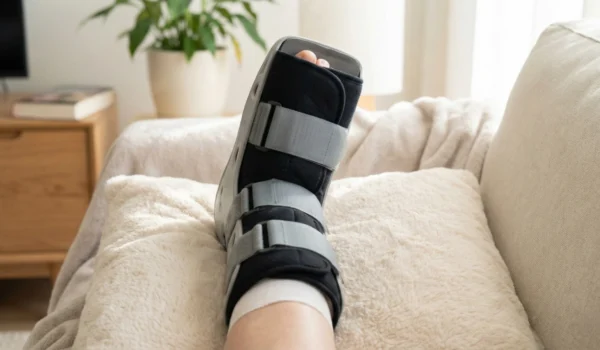
After the surgical removal of a ganglion cyst, a cavity may remain within the foot tissues. A structured rehabilitation plan prevents the accumulation of fluid (seroma) and ensures healing without the formation of restrictive adhesions, preserving full joint mobility.
A centered composition in a bright, cozy domestic interior. A foot encased in a black and grey orthopedic walking boot rests on a plush, white textured pillow on a beige sofa. Soft daylight highlights the fabric textures, with a blurred green houseplant in the background.

Addressing Deep Cracks and Heel Pain

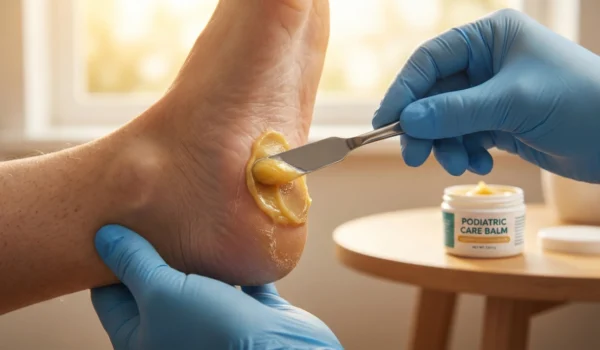
One of the most frequent complaints in Los Angeles podiatry is the deep painful cracked heel. These painful cracks in feet act as open gateways for bacterial and fungal infections, which is particularly risky for those with an active California lifestyle. If a patient’s feet are cracked and painful, standard cosmetic moisturizers are rarely enough. Professional painful heels treatment is required, involving medical-grade debridement of the calloused edges and specialized pressure-offloading techniques.
A macro, warm-toned photograph under soft natural light. Hands in blue nitrile gloves use a small metal spatula to spread a thick, yellowish ointment onto a patient's heel. A jar labeled "PODIATRIC CARE BALM" is visible in the soft-focus background on a wooden table.

Regenerative Technologies: The Future of Medicine in Los Angeles

To restore healthy feet, clinics in the U.S. now employ high-tech regenerative methods that were once considered experimental:

  1. Amniotic Tissue Grafts: Utilizing biological tissues rich in growth factors to “jump-start” the healing of chronic, stagnant wounds.

  2. Negative Pressure Wound Therapy (NPWT): A vacuum system that effectively removes edema from a wound foot and significantly increases localized blood flow.

  3. Hyperbaric Oxygenation (HBOT): Saturating the blood with oxygen under high pressure, which is vital for patients with compromised circulation living in Southern California.

Home Care vs. Professional Intervention

Many patients wonder how to treat foot wound issues at home, often making the mistake of using aggressive antiseptics. Hydrogen peroxide and rubbing alcohol can actually destroy fibroblasts—the very cells responsible for building new tissue. A specialized doctor for foot health will instead recommend physiological saline solutions and advanced gels that do not traumatize the delicate healing site.

When to seek a specialist in Los Angeles immediately:

  • If you experience foot and pain that intensifies over time.

  • If redness (erythema) spreads more than 1-2 centimeters beyond the wound edges.

  • If you require effective foot ache treatment or a personalized pain remedy to manage your recovery.

Seeking timely professional care in Los Angeles is the key to maintaining mobility, a comfortable gait, and a life free from pain.
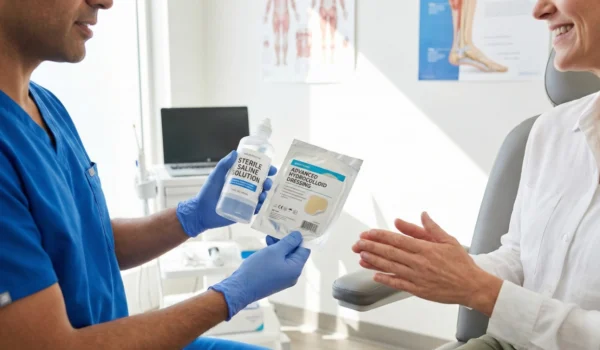
A waist-up shot in a bright, sunlit medical office. A doctor in blue scrubs and gloves holds a bottle labeled "STERILE SALINE SOLUTION" and a packet of "ADVANCED HYDROCOLLOID DRESSING" toward a smiling patient. The composition is clean and airy, emphasizing professional guidance.

Frequently Asked Questions

Why are my feet cracked and painful even though I use daily moisturizer?

When you have a deep painful cracked heel, standard over-the-counter lotions often fail to penetrate the thick, keratinized skin. These painful cracks in feet act as open wounds. Professional painful heels treatment involves medical wound debridement to safely remove the non-viable callus, allowing specialized medications to reach the underlying tissue and restore healthy feet.

Why should I see a specialized doctor for wounds instead of treating a cut at home?

A specialized doctor for foot care has access to advanced tools that go beyond a simple bandage. If you have a wound foot, a specialist ensures proper wound cleansing and uses medical-grade wound covering that maintains the exact moisture balance needed for cellular repair. This prevents the wound from becoming chronic or stagnant.

What is the safest method for wound disinfection for minor foot injuries?

Modern care wound protocols discourage the use of hydrogen peroxide or rubbing alcohol because they are “cytotoxic,” meaning they kill the healthy cells trying to heal the injury. For effective wound disinfection, use sterile saline or pH-balanced cleansers. If you are unsure how to treat foot wound issues, a professional can provide a safe pain remedy and antimicrobial dressings.

How do I know if my foot and pain require clinical foot ache treatment?

If your foot and pain are accompanied by swelling, persistent heat, or a change in skin color (redness or darkening), it is no longer a simple ache. These are signs of a “silent” infection or deep tissue stress. Professional foot ache treatment identifies the root cause—whether it is an infected ingrown nail or a post-surgical complication—to ensure the wound heals from the inside out.