

This content is for informational purposes only and does not constitute medical advice. Please consult with a licensed podiatrist for a personalized evaluation and treatment plan. Individual results may vary.
Memorial Day hiking in Los Angeles County causes three main leg and foot injuries: friction blisters on feet, twisted ankles, and plantar fasciitis. These physical problems happen because of constant rubbing forces, uneven trails, and repeated stress. This sudden mechanical stress directly causes sharp foot arch pain and limits movement for unprepared hikers.
A person requires immediate medical attention if there is sharp heel and foot pain that stops them from walking. Signs of skin infection, like redness or pus, also require urgent medical care. Ignoring these severe hiking injuries often leads to weak joints and long-term trouble walking.
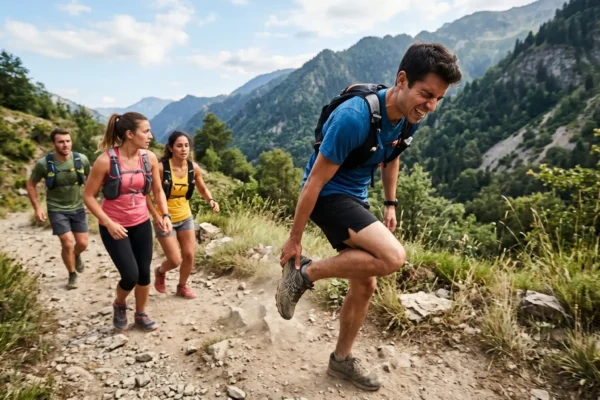
For quick medical checks and expert injury care, professional Los Angeles podiatry services led by Dr. Arkady Kaplansky offer targeted treatments for mountain trail trauma. These local specialists focus on restoring full mobility after severe outdoor injuries.
What Do the 2026 Trail Injury Statistics Show?
Every year, millions of people hike across Southern California. In Los Angeles County, the specific mix of city trails and rough mountain areas attracts massive crowds during holiday weekends. This high volume of outdoor activity directly leads to a huge jump in foot and leg injuries.
Data shows that emergency room visits go up fast on holiday weekends. About 50% of all trail injuries happen strictly in the foot and ankle areas. The heavy load on rescue teams becomes clear during Memorial Day, when emergency crews regularly conduct helicopter rescues for hikers who fall on slippery rocks.
Several clear factors cause this high injury rate during the holiday weekend. Many people try hard trails without physical training first, which puts too much stress on their muscles and joints. Walking uphill for hours tires out the leg muscles, making them less able to absorb the shock of each step. Additionally, a large number of trail users wear basic gym shoes instead of stiff, supportive mountain boots.
Which Los Angeles Trails Carry the Highest Injury Risk?
| Trail Environment Type | Common Los Angeles Locations | Ground Characteristics | Main Clinical Injury Risks |
|---|---|---|---|
| City Canyon Paths | Runyon Canyon, Griffith Park | Hard dirt, many people, gentle hills | Overuse injuries, heel pain, chronic arch strain |
| Mountain Routes | San Gabriel Mountains, Mt. Baldy | Loose rocks, steep drops, uneven surfaces | Twisted ankles, torn ligaments |
| Water Trails | Eaton Canyon, Switzer Falls | Wet stones, slippery mud, water crossings | Wet skin damage, deep blisters, hard falls |
How Do Friction and Shear Cause Blisters on Feet?
At the exact same time, the hard bones inside the foot slide forward with every single step. This opposite movement stretches the skin back and forth. Medical studies published in the National Library of Medicine (PubMed) show that wet skin increases the chance of these injuries by up to 80 percent. Soft, wet skin is weak and breaks easily under this constant pressure.
What Are the Four Stages of Shear-Induced Skin Failure?
- Stretching Force: The skin stretches back and forth with each step, creating intense pulling forces between the skin layers.
- Tiny Tears: Microscopic tears form between the top layer and the middle layers of the foot skin.
- Fluid Buildup: Body fluid quickly fills the empty space created by the tears, forming a painful bubble.
- Skin Breaking: If the person keeps walking without treating the hot spot, the bubble pops. This exposes the raw skin underneath to the high amounts of bacteria found in trail dirt.
What Is the Clinical Protocol for Foot Blister Treatment?
- Keep It Dry: Dry the foot with a clean towel as soon as a hot spot feels sore on the trail.
- Use Moleskin: Apply a thick, sticky cotton fabric called moleskin, which is recommended by experts at the Mayo Clinic.
- Remove the Pressure: Cut a shape like a donut out of the moleskin and place the hole directly over the sore spot.
- Save the Skin Roof: Never peel off the protective skin roof, as it acts as a natural shield against germs.
- Safe Draining: Popping the bubble is only allowed with a completely sterilized needle if the pain is too severe to walk.
How Do Torn Ligaments Trigger Foot Arch Pain?
If a twisted ankle does not heal correctly, patients will develop weak, unstable ankles for life. When the main ligaments are weak, the brain tries to protect the joint by changing how the person walks. The injured hiker naturally starts putting more weight on the outside edge of the foot or takes shorter steps.
This strange way of walking creates a harmful chain reaction across the entire leg. The new walk puts extreme stress on the middle bones of the foot. This added mechanical pressure is what frequently triggers sharp foot arch pain after a sprain.
How Are Inversion Sprains Clinically Graded?
| Injury Grade | Amount of Tissue Damage | Symptoms and Ability to Walk |
|---|---|---|
| Grade I (Mild) | Tiny tears in the ligament fibers | Very little swelling, mild pain, walking is mostly normal |
| Grade II (Medium) | Partial tearing of the ligament | Dark bruising, steady pain, it hurts to put weight on the foot |
| Grade III (Severe) | The ligament is completely snapped | Huge swelling, severe pain, totally unable to stand on the foot |
What Is the Acute Treatment for Strained Muscles and Sprains?
- Stop Walking: Ensure complete rest for the injured leg to stop more tissue tearing.
- Use Ice: Apply cold packs for 15 to 20 minutes every few hours to shrink blood vessels and stop internal bleeding.
- Wrap the Joint: Wrap the ankle with an elastic bandage to physically block the swelling from getting bigger.
- Lift the Leg: Keep the leg resting higher than the heart so gravity can pull extra fluid away from the foot.
- Balance Exercises: After the swelling goes down, perform physical therapy exercises to teach the brain how to hold the joint steady again.
Why Does Plantar Fasciitis Cause Morning Heel and Foot Pain?
Stretching this band too much during long uphill walks causes tiny tears right where the tissue connects to the heel bone. The main sign of this physical damage is sharp heel and foot pain. Because the changed walk shifts the body weight forward to avoid pressing on the sore heel, this condition also causes bad soreness on ball of the foot areas.
Basic medical care requires the patient to do daily foot stretches to make the calf muscles longer. Wearing stiff night boots holds the ankle in a straight 90-degree position during sleep. This physically stops the bottom of the foot from tightening overnight and reduces morning pain. Custom shoe inserts are also very useful for fixing bad walking habits and spreading the body weight evenly.
What Are the Main Signs of Plantar Fasciitis?
- Morning Pain: The pain hits its absolute highest point during the very first steps in the morning after waking up.
- Pain After Resting: Severe pain happens right after sitting for a long time or taking a break on the trail.
- Touch Sensitivity: Sharp pain happens when a doctor presses directly on the bottom center of the heel.
- Pain Drops During Walking: The pain fades a little bit as the foot warms up during a walk, but comes back much worse after resting.
How Does Plantar Fasciitis Differ From Other Foot Injuries?
| Health Issue | Where It Hurts the Most | What Triggers the Pain | How It Starts |
|---|---|---|---|
| Plantar Fasciitis | Bottom of the heel and the arch | First steps in the morning | Starts slowly, gets worse after resting |
| Bone Fracture | Top of the foot or a specific bone | Putting weight on it, jumping | Gets worse constantly during the hike |
| Tendon Issue | Back of the heel, above the bone | Pushing off the toes, walking uphill | Hurts instantly while hiking |
How Can Proper Hiking Footwear Prevent Trail Trauma?
A good trail boot provides mechanical support that human muscles cannot maintain for hours. Heavy boots must be worn around the neighborhood for several weeks to break them in before attempting a mountain hike. Breaking in the boots softens the stiff materials and prevents blisters.
Controlling wetness inside the shoe is the next critical layer of defense. Trail experts use a specific layering system to keep feet dry and safe from friction. AHS ( American Hiking Society) do not recommend wearing pure cotton socks for hiking because cotton traps sweat against the skin.
What Are the Necessary Parts of a Trail Boot?
- Stiff Bottom: A hard piece of material hidden inside the sole stops the shoe from bending in half on sharp rocks.
- High Ankle Support: A tall, stiff collar physically blocks the ankle from rolling sideways when stepping in a hole.
- Deep Rubber Grips: Thick rubber treads grab onto loose dirt and wet stone so the hiker does not slip.
- Hard Toe Cap: A solid front piece protects the toes from smashing against hidden rocks on steep downhill paths.
How Does the Two-Sock Rule Work?
- The Inside Sock: The hiker puts on a very thin inner sock made entirely of synthetic materials to pull sweat away from the skin.
- The Outside Sock: The hiker puts a thicker outer sock made from natural wool over the thin sock.
- The Mechanical Action: This outer wool layer soaks up the wetness from the inner sock and acts as a soft pillow for the foot.
When Should a Hiker Call for Emergency Help?
A proper emergency assessment prevents a simple sprain from turning into a life-long disability. Hikers must get professional medical help right away if they notice serious warning signs on the trail. Attempting to drive home with these severe symptoms can also be highly dangerous.
What Are the Critical Emergency Warning Signs?
- Cannot Stand: The person cannot put any weight on the injured leg for more than four steps in a row.
- Strange Shape: The ankle, foot arch, or toes look crooked or completely out of their normal place.
- Loss of Feeling: The hiker experiences numbness, tingling, or a total loss of feeling in the toes, which means a nerve is damaged.
- Sharp Bone Pain: There is extreme, sharp pain located directly on the hard bones of the lower leg.
- Signs of Infection: Skin wounds get big quickly, feel very hot to the touch, or have red lines traveling up the leg.
So in assumption, ignoring severe foot pain after a long weekend hike often turns a minor tissue issue into a permanent joint condition. Prompt medical care ensures that torn ligaments and inflamed arches heal in the correct physical position. This clinical attention prevents future mobility problems and keeps hikers stable on uneven ground.
Frequently Asked Questions
What causes severe heel and foot pain after trail hiking in Los Angeles?
Severe heel and foot pain after a long hike is typically caused by plantar fasciitis, which occurs when the thick band of tissue under the foot becomes inflamed. This condition often worsens due to calf muscle fatigue from climbing steep Los Angeles trails in improper hiking footwear. Daily foot stretches and custom shoe inserts help relieve the mechanical pressure and promote proper healing.
What is the most effective foot blister treatment while on a trail?
Proper foot blister treatment requires keeping the top layer of skin completely intact to serve as a natural barrier against trail dirt and bacteria. Hikers should apply a donut-shaped moleskin pad around the hot spot to completely remove direct pressure from the shoe. Puncturing the blister is only recommended using a sterilized tool if severe pain prevents walking, but the skin roof must never be peeled off.
How should hikers manage sudden foot arch pain and ankle sprains?
Sudden foot arch pain after a twisted ankle often points to a changed walking habit that places unnatural stress on the middle bones of the foot. Immediate treatment for strained muscles and ligament sprains involves following the standard rest, ice, compression, and elevation protocol. Once the initial swelling goes down, specialized balance exercises help restore joint stability and protect the lower leg from long-term weakness.
Why does plantar fasciitis cause intense soreness on the ball of the foot?
When the plantar fascia is inflamed, hikers frequently alter their gait to avoid putting weight on a painful heel. This uneven distribution of body weight shifts the mechanical impact forward, resulting in deep soreness on ball of foot areas. Professional podiatry services can correct these walking flaws through advanced diagnostic tools and custom-milled orthotic devices.
How does proper hiking footwear prevent lower extremity trauma?
High-quality hiking footwear provides a rigid internal sole that keeps the midfoot from twisting on loose rocks and sharp trail surfaces. A reinforced ankle collar physically blocks the joint from rolling sideways, lowering the risk of severe inversion sprains. Pairing structured boots with a moisture-wicking two-sock system also prevents friction blisters on feet by controlling internal sweat buildup.