

A medical podiatrist is a specialized healthcare professional holding a DPM (Doctor of Podiatric Medicine) degree, dedicated to the diagnosis, treatment, and surgical correction of disorders affecting the foot, ankle, and related structures of the lower leg. In the United States healthcare system, these specialists serve as highly trained clinicians and surgeons who bridge the gap between orthopedics, dermatology, and neurology to ensure patients maintain optimal mobility and lower-extremity health.
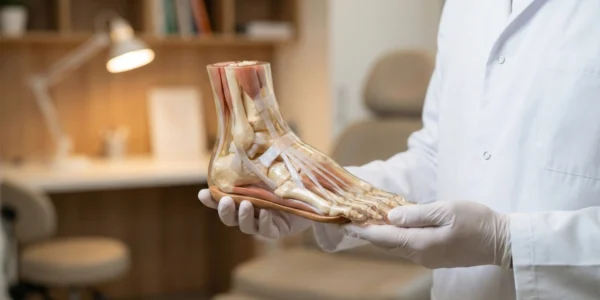
What is a Doctor of Podiatric Medicine (DPM)?
In the U.S., a doctor for feet is far more than a technician; they are board-certified medical professionals who undergo a rigorous academic journey. This includes four years of specialized training at an accredited podiatric medical college, followed by a minimum of three years of hospital-based surgical residency.
The DPM curriculum is comparable to that of an MD or DO, covering systemic medicine, pharmacology, and physiology, but with an intensive focus on the lower extremities from day one. This specialized path ensures that when complex foot problems arise, a podiatrist possesses the deepest possible understanding of the 26 bones and dozens of joints that make up the human foot.
Conditions Managed by Doctors for Feet Problems
The scope of a podiatrist’s practice is remarkably broad, ranging from routine care to complex reconstructive surgery.
Trauma and Ankle Expertise
When an injury occurs, finding a qualified ankle specialist Los Angeles patients can trust is vital for a full recovery. Podiatrists are experts in:
-
Stress fractures and acute bone breaks.
-
Ligament tears and severe ankle sprains.
-
Achilles tendonitis and other soft-tissue inflammatory conditions.

Dermatology and Specialized Foot Treatment
Often referred to as a toenail doctor, a podiatrist addresses medical issues that go beyond the surface:
-
Ingrown Toenails: Performing permanent surgical corrections (matrixectomy) to prevent recurrence.
-
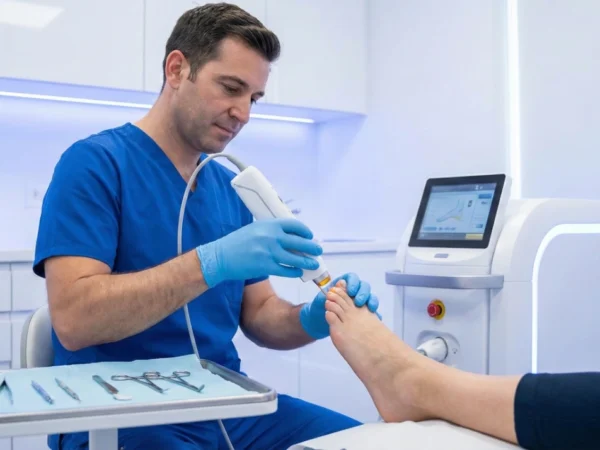
Fungal Infections: Providing advanced foot treatment options, including prescription topicals and laser therapy.
-
Plantar Warts and Calluses: Treating painful skin lesions that interfere with daily movement.
Biomechanics and Preventive Foot Care
Choosing a Foot Doctor in Los Angeles CA
For residents of a bustling metropolis, finding the best foot doctor Los Angeles has to offer is essential for maintaining an active lifestyle. Whether you are a runner training for a marathon or a professional navigating the city’s streets, the health of your feet determines your quality of life.
Diabetic Care and Limb Salvage
For individuals living with diabetes, regular visits to a podiatrist are lifesaving. Due to peripheral neuropathy (loss of sensation), minor injuries can quickly escalate into ulcers. Podiatrists provide essential monitoring and wound care to prevent infections and avoid the devastating outcome of amputation.
When to Visit a Foot Clinic in Los Angeles
Many people wait until the pain becomes unbearable before seeking help. However, early intervention is key. You should consult a podiatrist Los Angeles California if you experience:
-
Persistent Pain: Sharp or dull aching in the heel or arch that does not improve with rest.
-
Nail Discoloration: Yellowing, thickening, or crumbling of the nails.
-
Swelling and Redness: Signs of inflammation or infection in the ankle or foot.
-
Numbness or Tingling: Sensations that may indicate nerve entrapment (such as Morton’s Neuroma) or poor circulation.
In the U.S., services provided by the doctor Los Angeles residents rely on for foot health are typically covered by major insurance plans, including Medicare and PPO providers. This ensures that specialized care is accessible to those needing to maintain their independence and mobility.
Frequently Asked Questions
Is a podiatrist a ``real`` doctor?
How often should I see a podiatrist if I have diabetes?
Do I need a referral from my primary care physician to see a podiatrist?
What is the difference between a podiatrist and an orthopedic surgeon?
While both treat bone and joint issues, an orthopedic surgeon is a generalist who can treat the whole body and may specialize in feet later. A podiatrist is a specialist who focuses on the foot and ankle from day one of medical school, often making them more attuned to the specific biomechanics of lower extremities.