

This content is for informational purposes only and does not constitute medical advice. Please consult with a licensed podiatrist for a personalized evaluation and treatment plan. Individual results may vary.
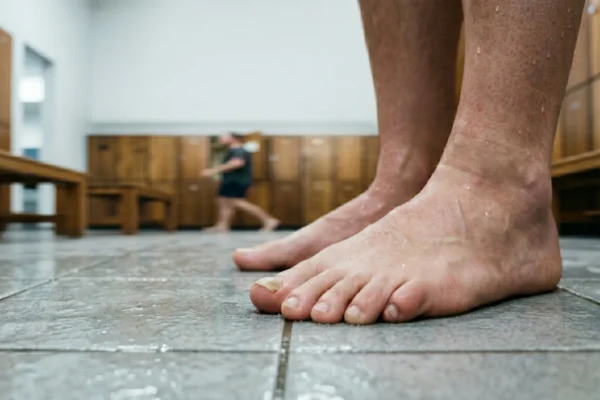
Toenail fungus, also known as onychomycosis, is an infection that develops when fungal organisms invade the nail bed in warm, moist environments like gym locker rooms, public pools, and shared showers. The primary signs of this condition include a thickening of the nail, discoloration-often turning yellow, brown, or white-and a brittle texture that may cause the nail to crumble.
If you notice these symptoms or experience persistent discomfort when wearing shoes, professional intervention is necessary to prevent the infection from spreading to the skin or causing permanent damage to the nail plate. Residents of Los Angeles concerned about foot health can schedule a consultation with Dr. Arkady Kaplansky for a professional assessment and treatment plan.
Why Do Fungal Infections Thrive in Public Spaces?
Fungal pathogens are microscopic organisms that survive and reproduce efficiently in damp, dark, and humid conditions. Public facilities throughout Los Angeles, such as high-traffic fitness centers and community pools, provide an ideal environment for these spores to linger on surfaces for extended periods. When individuals walk barefoot in these areas, the spores come into direct contact with the skin and nails, frequently entering through micro-abrasions or the space between the nail and the cuticle.
Approximately 1 in 10 people in the general population will experience nail fungus, with the prevalence increasing significantly in older adults and those with specific health conditions. The infection is not typically a result of poor hygiene but rather an accidental encounter with pathogens in shared spaces.
As noted in resources from the Mayo Clinic, once the fungus establishes itself under the nail plate, it begins to consume keratin, the structural protein of the nail, leading to the physical changes that patients eventually observe.
The Role of Environmental Humidity
Understanding High-Risk Environments
| Facility Type | Risk Level | Reason for Transmission |
|---|---|---|
| Public Pool Decks | High | Constant exposure to standing water |
| Shared Locker Rooms | High | Trapped humidity and porous flooring |
| Public Showers | High | Direct contact with wet, non-porous surfaces |
| Yoga/Pilates Studios | Moderate | Use of shared mats without cleaning |
| Indoor Gyms | Low to Moderate | Primarily limited to communal transit areas |
How to Identify the Progression of Nail Fungus
The Four Stages of Infection
- Initial Surface Changes: The infection often manifests as a small white or yellow spot at the tip of the nail.
- Increased Nail Opacity: As the fungus spreads, the nail loses its natural translucency and begins to appear dull or stained.
- Structural Degradation: The nail plate thickens and becomes increasingly brittle, often crumbling at the edges.
- Debris Accumulation: A buildup of keratinous debris forms under the nail, which may produce a foul odor and cause the nail to lift from the nail bed.
Preventive Measures for Daily Foot Health
Essential Hygiene Protocols
- Use Protective Barriers: Always wear flip-flops or shower shoes when navigating locker rooms, pool decks, or public showers.
- Manage Moisture: Dry your feet thoroughly after any activity, paying special attention to the spaces between the toes where moisture is most likely to collect.
- Rotate Footwear: Give your shoes at least 24 hours to air out between wears to ensure all interior moisture has evaporated.
- Select Proper Socks: Use moisture-wicking fabrics rather than cotton, as synthetic materials pull sweat away from the skin.
Comparison of Common Foot Ailments
| Feature | Toenail Fungus | Athlete’s Foot | Ingrown Toenail |
|---|---|---|---|
| Primary Location | Nail bed and plate | Skin between toes | Nail edge |
| Texture Change | Thickening/crumbling | Peeling/flaking | Normal nail texture |
| Discoloration | Yellow, white, or brown | Redness | Red/inflamed tissue |
| Associated Pain | Pressure-related | Itching/burning | Sharp, localized pain |
Identifying When Professional Care Is Required
Conclusion
Frequently Asked Questions
How do I know if I have toenail fungus?
Signs of onychomycosis typically start with a small white or yellow spot under the tip of the nail. As the infection progresses, you may notice the nail plate thickening, becoming brittle, or developing a dull appearance with debris under the nail.
Can toenail fungus be caught at the gym or pool?
Yes, fungal spores thrive in warm, humid, and damp environments like gym locker rooms and public pool decks. Walking barefoot in these shared spaces significantly increases the risk of contracting foot and nail fungus.
How can I prevent nail fungus when using public showers?
Always wear protective shower shoes or flip-flops to ensure your bare skin does not touch the floor. After showering, thoroughly dry your feet, especially between the toes, to remove the moisture that fungi need to survive.
Is a discolored nail always caused by fungus?
Not necessarily, as nail trauma, psoriasis, or ingrown nails can sometimes mimic the appearance of an infection. A professional examination is recommended to distinguish between these conditions and determine the correct course of action.
Why should I see a podiatrist for nail fungus?
Professional intervention is necessary because fungal infections are often deep-seated and difficult to treat with over-the-counter methods. A specialist can provide an accurate diagnosis and personalized toenail antifungal treatment to prevent the infection from spreading or damaging the nail permanently.
Are certain people at higher risk for nail infections?
Individuals with diabetes, circulatory issues, or weakened immune systems are at a greater risk for developing complications from foot and nail fungus. These patients should be extra vigilant and seek medical advice promptly if they notice any changes in their nail health.