

This content is for informational purposes only and does not constitute medical advice. Please consult with a licensed podiatrist for a personalized evaluation and treatment plan. Individual results may vary.
Pain in the ball of the foot is a common complaint, and it usually points to a condition doctors call metatarsalgia. The ball of the foot is the padded area on the sole just behind the toes. When this part becomes painful and irritated, walking and standing can turn into a daily struggle. Most cases come from footwear, foot shape, or high-impact activity, and many improve with simple care. Pain that lasts more than a few days, however, deserves a proper exam.
For residents of Los Angeles who want relief that lasts, a focused evaluation can find the real cause instead of masking it. Dr. Arkady Kaplansky, a Los Angeles podiatrist, examines the foot, reviews daily habits and footwear, and builds a plan around each patient’s needs.
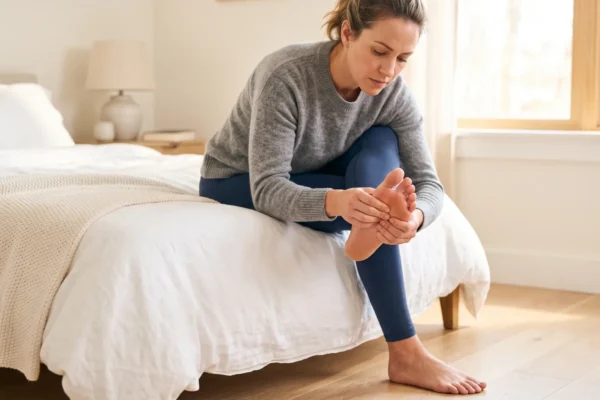
What Ball of Foot Pain Feels Like
Common Symptoms
The pain often gets worse with standing, walking, or running, and it tends to ease with rest. Some people also feel numbness or tingling in the toes. Others report soreness in the ball of the foot that lingers even after they sit down. Common searches such as “foot hurts ball of foot” and “foot hurts on ball of foot” point to the same area, and many people also describe a pain inside the ball of the foot that grows worse the longer they are on their feet.
How It Differs From Other Foot Pain
What Causes Pain in the Ball of the Foot?
Footwear and Foot Shape
Activity and Body Weight
Morton's Neuroma and Other Conditions
How a Podiatrist Diagnoses the Problem
Travel is not always easy for older adults or people with painful feet. For anyone who finds it hard to get to a clinic, care can also come to the home, since a physician can be arranged for an in-home visit through a network of house-call providers. That way, an evaluation does not have to wait.
Treatment and Relief for Ball of Foot Pain
Home Care Steps
Simple home steps that often help include:
- Resting the foot and keeping weight off it for a few days
- Icing the sore area for about 20 minutes at a time, a few times a day
- Wearing supportive shoes with a wide toe box and a low heel
- Adding metatarsal pads or arch supports for extra cushioning
- Staying active with low-impact exercise like swimming or cycling while the foot heals
When Professional Care Helps
Preventing Ball of Foot Pain
Small changes made early can prevent a minor ache from turning into a lasting problem. When one part of the foot hurts, a person often begins to walk differently, and that can lead to pain in the other foot, the hip, or the lower back.
When to See a Podiatrist in Los Angeles
Dr. Kaplansky helps patients across Los Angeles find the cause of their pain and get back on their feet with comfort. Early care often means simpler treatment and a faster return to normal activity.
How Ball of Foot Pain Affects Daily Life
Because the ball of the foot carries so much weight while walking, ignoring the pain rarely makes it go away. Many people try to push through by shifting their weight to the outer edge of the foot or the other leg. That habit can strain the ankles, knees, hips, and lower back, turning one sore spot into several. Treating the pain early keeps a small problem from spreading.
Frequently Asked Questions
What causes pain in the ball of the foot?
Most ball of foot pain comes from footwear, foot shape, or high-impact activity such as running. High heels, tight shoes, a high arch, or extra body weight can all add pressure to the forefoot. Conditions like Morton’s neuroma, arthritis, or a stress fracture can cause it too.
How can someone get rid of ball of foot pain at home?
Simple steps often help, including rest, ice, and switching to supportive shoes with a lower heel. Metatarsal pads and arch supports can take pressure off the sore spot, and over-the-counter pain relievers can ease discomfort. If the pain does not improve in a couple of weeks, a podiatrist should take a look.
What does metatarsalgia feel like?
Metatarsalgia usually causes sharp, aching, or burning pain in the ball of the foot. Many people say it feels like walking on a pebble or that there is a bunched-up sock in the shoe. The pain often gets worse with standing or walking and eases with rest.
Can ball of foot pain go away on its own?
Mild cases from tired feet or new shoes may settle with rest and better footwear. But pain that keeps coming back or lasts more than a few days usually has a cause that needs treatment. Ignoring it can lead to changes in how a person walks and pain in other joints.
What shoes are best for ball of foot pain?
The best shoes have a wide toe box, good cushioning, solid support, and a lower heel. Adding a metatarsal pad or arch support can spread pressure away from the sore area. High heels and tight, unsupportive shoes should be avoided.
When should someone see a podiatrist for foot pain?
A podiatrist should be seen when foot pain lasts more than a few days, keeps returning, or does not improve after changing shoes and activities. Numbness, tingling, or pain that limits daily life are also good reasons. People with diabetes should seek care sooner.