

This content is for informational purposes only and does not constitute medical advice. Please consult with a licensed podiatrist for a personalized evaluation and treatment plan. Individual results may vary.
Postpartum foot pain is a mechanical and structural condition caused by a 10-fold increase in the hormone relaxin, rapid weight gain, and a shifting center of gravity that collapses the foot arches. This condition requires professional medical evaluation if the pain lasts longer than six weeks after delivery, if a patient cannot perform a single-leg heel raise, or if the discomfort prevents daily movement and infant care.
Without intervention, the ligamentous laxity experienced during pregnancy can lead to permanent structural deformities and chronic gait instability that persists long after the postpartum period.
Individuals experiencing persistent foot discomfort in the Los Angeles area can access specialized clinical support. Comprehensive biomechanical assessments and non-pharmacological recovery plans are available through Dr. Arkady Kaplansky, ensuring a safe return to mobility for new mothers.
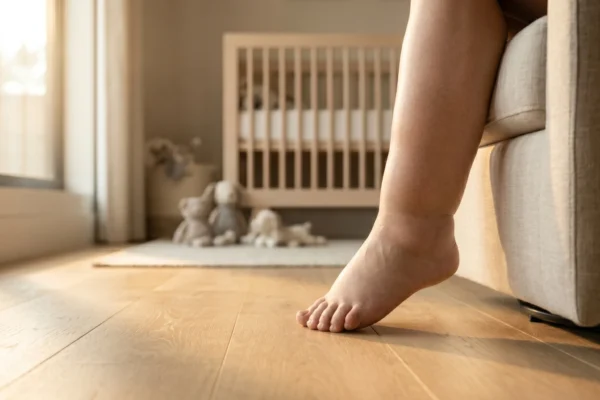
What Physiological Factors Cause Chronic Foot Ache After Childbirth?
However, its effects are not localized to the pelvis; relaxin targets collagen receptors throughout the entire musculoskeletal system, making the 26 bones and 30 joints of the foot highly unstable. According to research , this hormonal surge facilitates a systemic softening of connective tissues that can last for several months after delivery.
When this hormonal softening is paired with an average pregnancy weight gain of 25 to 35 pounds, the internal structures of the foot are forced to yield under the load. This combination frequently results in a permanent drop in the medial longitudinal arch, leading to a condition known as acquired flatfoot. Clinical data suggests that approximately 60% to 70% of women experience a permanent change in foot length and width following their first pregnancy.
Mechanisms of Arch Collapse and Structural Shift
- Systemic Collagen Degradation: Relaxin breaks down the structural integrity of the spring ligament, which is the primary support for the medial arch.
- Vertical Load Overload: The rapid addition of body mass places extreme axial pressure on the midfoot bones.
- Ligamentous Creep: Long-term stretching of the plantar fascia leads to permanent elongation of the tissue.
- Anterior Pelvic Tilt: A forward-shifting center of gravity forces the feet into a position of compensatory overpronation.
The Impact of Relaxin on Ligament Integrity
This shift leads to overpronation, where the foot rolls excessively inward, placing abnormal strain on the posterior tibial tendon and the inner ankle. This mechanical failure is a primary contributor to the chronic foot aches reported by new mothers.
Shifting Biomechanics and Center of Gravity
To maintain balance, the body adopts a wider stance and an altered gait pattern. The Mayo Clinic notes that these changes in posture and weight distribution can lead to secondary strain in the lower back and knees, as the feet no longer provide a stable foundation for the body’s kinetic chain.
How Does Postpartum Foot Swelling Impact Daily Mobility?
After childbirth, this excess fluid must be reabsorbed and excreted, but gravity often causes it to pool in the lower extremities. Experts at the Cleveland Clinic explain that while some swelling is normal, persistent edema can indicate that the lymphatic system is overwhelmed or that blood flow is restricted by tightened calf muscles.
If swelling persists beyond the first few weeks, it may indicate that the lymphatic system is struggling to clear fluid due to a lack of muscle activity or compressed vessels. Chronic swelling can exacerbate foot pain by increasing the pressure inside the skin and around the nerve endings.
Furthermore, persistent edema can make wearing supportive footwear difficult, forcing many individuals to walk barefoot or in unsupportive sandals, which further contributes to the collapse of the arches.
Management Strategies for Postpartum Edema
- Graduated Compression: Medical-grade compression stockings help facilitate the upward movement of lymphatic fluid.
- Strategic Elevation: Keeping the feet above the level of the heart for 20-minute intervals reduces hydrostatic pressure.
- Hydrotherapy: Cool water immersion can cause vasoconstriction, helping to move stagnant fluid out of the extremities.
- Active Ankle Pumps: Performing repetitive ankle movements stimulates the “calf muscle pump,” which is critical for venous return.
Symptoms Requiring Immediate Medical Consultation
- Inability to bear weight on one or both feet without sharp, localized pain.
- Visible redness, localized heat, or asymmetrical swelling in only one leg.
- Numbness or a “pins and needles” sensation in the toes or sole.
- Pain that is most severe during the first steps taken in the morning.
- A noticeable flattening of the arch that did not exist before pregnancy.
Comparative Analysis of Postpartum Foot Conditions
| Condition | Primary Symptom Location | Biomechanical Cause |
|---|---|---|
| Plantar Fasciitis | Bottom of the heel | Overstretching of the fascia band |
| Metatarsalgia | Ball of the foot | Widened forefoot and arch collapse |
| PTTD | Inner ankle and arch | Tendon strain from overpronation |
| Edema | Ankle and top of foot | Fluid retention and lymphatic stasis |
Identifying Effective Solutions for Foot Pain Under Foot
Clinical Approaches to Plantar Fasciitis
- Extracorporeal Shockwave Therapy (ESWT): Acoustic pulses trigger a biological healing response in chronic fascia tissue.
- Night Splints: These devices hold the foot in a dorsiflexed position, preventing the fascia from contracting overnight.
- Targeted Calf Stretching: Reducing tension in the gastrocnemius muscle directly lowers the pull on the heel bone.
- Taping Techniques: Kinesiology tape can provide temporary mechanical support to the arch during the healing phase.
Restoring the Transverse Arch for Metatarsalgia Relief
Orthotics are medical devices designed from a digital scan of the foot to redistribute pressure away from the painful metatarsal heads and provide the precise arch support needed to counteract the effects of relaxin. By restoring the transverse arch, clinicians can eliminate the “walking on pebbles” sensation common in metatarsalgia.
Modern Technology in Podiatric Recovery
This technology is particularly beneficial for postpartum patients as it is non-invasive, painless, and carries no risk to nursing infants. Combined with gait analysis technology, these tools allow clinicians to identify the exact second during a stride when the arch collapses, enabling more accurate orthotic prescriptions and faster recovery times.
Why Is Proper Footwear a Medical Necessity After Pregnancy?
Criteria for Postpartum Recovery Footwear
- Deep Heel Cup: This feature stabilizes the heel bone (calcaneus) and prevents it from tilting inward.
- Rigid Midsole: A shoe should not fold in half; it must provide a stable platform for the arch.
- Wide Toe Box: Sufficient space allows the toes to splay, reducing pressure on the metatarsal heads.
- Cushioned Outsole: High-rebound materials help absorb the impact of each step.
- Rocker-Bottom Geometry: This specialized sole shape helps the foot transition smoothly from heel to toe, reducing strain on the ball of the foot.
Impact of Body Mass on Foot Pressure
| Body Weight Change | Pressure Reduction on Feet (Walking) | Clinical Benefit |
|---|---|---|
| -1 Pound | -4 Pounds of pressure | Reduced fascia strain |
| -5 Pounds | -20 Pounds of pressure | Improved arch stability |
| -10 Pounds | -40 Pounds of pressure | Significant reduction in heel pain |
| -20 Pounds | -80 Pounds of pressure | Improved tendon recovery |