

This content is for informational purposes only and does not constitute medical advice. Please consult with a licensed podiatrist for a personalized evaluation and treatment plan. Individual results may vary.
Sesamoiditis refers to the chronic inflammation of the two small, pea-shaped sesamoid bones and the surrounding tendons located directly beneath the big toe joint (the first metatarsophalangeal joint). Unlike most bones in the human body, which are connected to other bones at joints, sesamoids are embedded within tendons. In the foot, they act like pulleys for the muscles, providing a smooth surface for tendons to slide over, aiding in weight-bearing, and offering leverage when the big toe pushes off during walking or running.
Because of their location, these bones absorb a significant amount of pressure with every step. When this pressure becomes excessive or repetitive, the area becomes inflamed, leading to the condition known as sesamoiditis. If left unmanaged, this localized irritation can progress into debilitating chronic pain or even result in stress fractures of the sesamoid bones themselves.
Patients requiring specialized care for persistent forefoot pain can consult with Dr. Arkady Kaplansky at his Los Angeles podiatry practice to explore advanced diagnostic and therapeutic solutions tailored to their specific biomechanical needs.
Understanding Clinical Sesamoiditis Symptoms and Progression
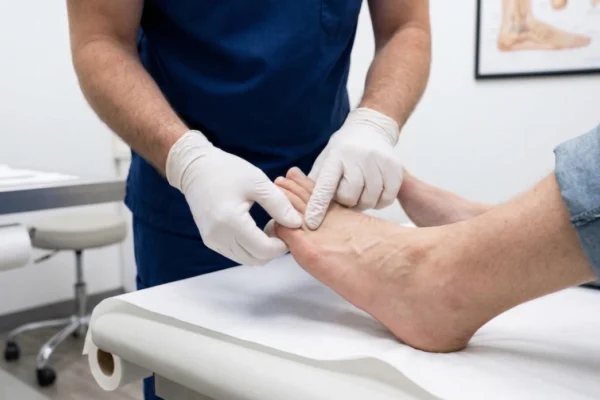
Initially, the pain is described as a dull, localized ache at the base of the big toe. This pain typically originates on the underside of the joint and may radiate toward the arch of the foot. Unlike a sudden traumatic injury, such as a fracture caused by an impact, the onset of sesamoiditis is usually gradual and linked to repetitive loading.
Progression of Sesamoiditis Stages
| Stage | Clinical Features | Impact on Mobility |
|---|---|---|
| Early (Acute) | Mild ache under the big toe; pain only during high-impact sports. | Can walk normally but must avoid running or jumping. |
| Intermediate | Persistent pain during normal walking; visible swelling and tenderness. | May cause a slight limp; difficulty wearing flexible or thin shoes. |
| Advanced (Chronic) | Constant sharp pain; “popping” sensations; thickening of the soft tissue. | Restricted joint movement; significant interference with daily activities. |
Identifying Primary Sesamoiditis Causes and Risk Factors
Athletic and Occupational Demands
- Basketball and Tennis: The frequent lateral movements and explosive jumps place immense strain on the forefoot.
- Ballet Dancers: Dancers are particularly susceptible because of the extreme pressure placed on the sesamoids during en pointe work.
- Occupational Stress: Individuals who work on hard concrete surfaces for extended periods—such as warehouse or retail staff—experience cumulative micro-trauma to the sesamoid area.
Biomechanical and Anatomical Factors
- High-Arched Feet (Pes Cavus): Individuals with naturally high arches place more weight on the forefoot by default.
- Overpronation: When the foot rolls inward excessively, the gait mechanics are altered, causing the big toe joint to take on disproportionate stress.
- Fat Pad Atrophy: As we age, the natural fat pad under the ball of the foot can thin, leaving the sesamoids with less natural cushioning.
Establishing a Sesamoiditis Differential Diagnosis
Clinical Comparison of Forefoot Conditions
| Condition | Primary Sensation | Key Difference |
|---|---|---|
| Sesamoiditis | Dull ache / Sharp pressure | Linked to the sesamoid bones and tendons. |
| Stress Fracture | Intense, localized pain | Requires complete immobilization; visible on MRI. |
| Gout | Intense heat and redness | A metabolic condition affecting the entire joint. |
| Morton’s Neuroma | Burning or tingling | Involves nerve thickening between toes. |
To confirm a diagnosis, podiatrists utilize clinical imaging such as X-rays to check for bone displacement or MRI to confirm the presence of bone marrow edema, which indicates active inflammation within the bone itself.
Initial Management: Taping, Pads, and Footwear Selection
Mechanical Offloading Tools
Footwear Selection Guide
| Feature | Recommended (Stiff-Soled) | Discouraged (Flexible/High-Heel) |
|---|---|---|
| Sole Construction | Rigid, non-flexible “rocker-bottom” design. | Highly flexible, “minimalist,” or thin soles. |
| Toe Box | Wide and deep to prevent joint compression. | Narrow, pointed, or restrictive toe boxes. |
| Heel Height | Flat or low-drop shoes. | High heels (shifts 80%+ weight to forefoot). |
Advanced Clinical Sesamoiditis Treatment Modalities
Comparison of Advanced Clinical Treatments
| Technology | Primary Mechanism | Best Suited For… |
|---|---|---|
| Remy Laser | Photobiomodulation (cellular repair via light). | Reducing acute inflammation and speeding up healing. |
| Custom Orthotics | Mechanical offloading via 3D-scanned recessed areas. | Long-term correction of biomechanical imbalances. |
| Radiesse Filler | Internal “liquid” cushioning using biocompatible filler. | Patients with fat pad atrophy (loss of cushioning). |
| Platinum Biologics | Regenerative growth factors and amniotic tissue. | Chronic tendon damage and non-responsive cases. |
Remy Laser and Regenerative Medicine
Surgical Intervention and Long-Term Outlook
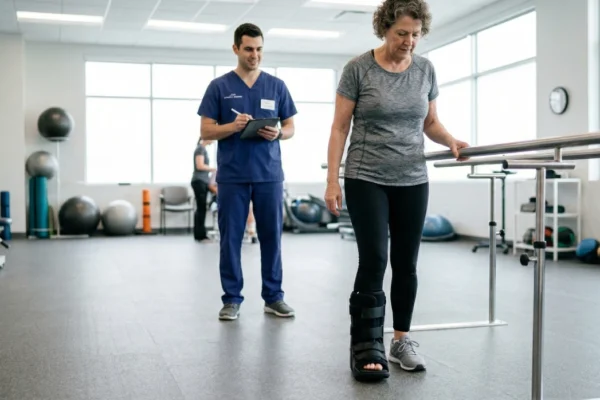
While effective at eliminating the source of pain, surgery is generally viewed as a final option because the sesamoids play a role in toe leverage. Following surgery, a period of immobilization and physical therapy is required to restore strength. Most patients can return to normal activities within a few months, provided they continue to use supportive footwear.
Preventative Strategies and Long-Term Foot Health
- Routine Stretching: Focus on the gastrocnemius (calf) muscles and the plantar fascia to reduce tension on the forefoot.
- Intrinsic Muscle Strengthening: Exercises like “towel curls” help stabilize the big toe joint and improve shock absorption.
- Gait Analysis: Regular check-ups with a podiatrist ensure that any subtle changes in foot structure are addressed before they manifest as chronic pain.
A Comprehensive Path to Recovery
Frequently Asked Questions
What are the primary symptoms of sesamoiditis?
How is sesamoiditis diagnosed vs. a stress fracture or gout?
What are the most effective non-surgical treatments for forefoot pain?
Can I continue to exercise if I have inflammation under my big toe?
When is sesamoiditis surgery considered necessary?
References
- Cleveland Clinic — https://my.clevelandclinic.org/health/diseases/21671-sesamoiditis
- American Academy of Orthopaedic Surgeons (OrthoInfo) — https://orthoinfo.aaos.org/en/diseases–conditions/sesamoiditis/
- NHS Lanarkshire — https://www.nhslanarkshire.scot.nhs.uk/services/podiatry/sesamoiditis/
- Caring Podiatry — https://caringpodiatry.com/blog/radiesse-for-foot-fat-pad-atrophy
- Curalta Foot + Ankle — https://curalta.com/conditions-treatment/remy-class-iv-laser-therapy/
- Podiatry Treatment Near Me — https://podiatrytreatmentnearme.com/about/