

Foot pain is far more than a simple consequence of physical fatigue; it is a critical signal from the body indicating biomechanical imbalances, soft tissue inflammation, or degenerative joint changes. When the sensation of foot hurting becomes a chronic occurrence, it typically points to underlying pathologies such as plantar fasciitis, Achilles tendinitis, or neuromas. Without a timely diagnosis and a plan to address the root cause, the discomfort often progresses, triggering a pathological chain reaction: as the gait shifts to compensate for the pain, it places excessive strain on the knees, hips, and lower back.
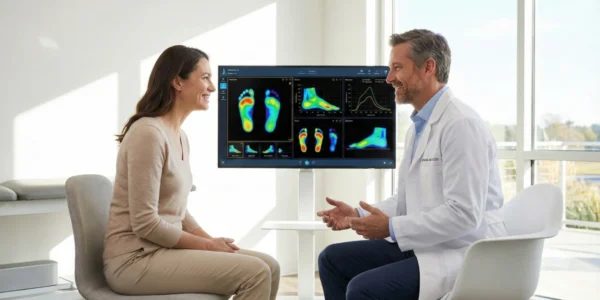
Foot Discomfort Causes: Understanding the Symptoms
Pain in the feet can manifest in various ways, ranging from sharp, “stabbing” sensations in the heel upon waking to an exhausting, dull ache in the arch at the end of a workday. Patients frequently describe the symptom as a foot burning pain—a searing sensation that often indicates nerve compression or metatarsalgia. Such discomfort may be accompanied by localized swelling, redness, or joint stiffness.
Common Patient Profiles and Foot Problems
Foot-related issues affect a wide spectrum of individuals across the United States:
-
“Professionals on their feet”: Teachers, nurses, and retail workers often spend over eight hours a day on hard surfaces like concrete, leading to chronic ligament microtrauma.
-
“Weekend Warriors”: Runners and fitness enthusiasts frequently face overuse injuries due to improper technique or worn-out footwear.
-
The 60+ Demographic: Over time, the foot’s natural fat pad thins (atrophy), and joints may become susceptible to arthritis.
-
Individuals with a High BMI: Excess weight exerts significant pressure on the foot’s arch, potentially leading to its gradual collapse.
The Threat to Quality of Life: Why Professional Podiatrist Care Is Essential
Ignoring even moderate pain leads to serious alterations in the body’s “kinetic chain.” To instinctively ease the burden on a painful limb, a person begins to limp, which redistributes weight to the healthy side and the joints above. In the long term, this results in postural distortion and chronic back pain. In the U.S., professional podiatrist care is considered vital for maintaining population mobility and preventing long-term disability.
The Risks of Self-Medicating: Why Pills Aren't the Answer
Attempting to independently determine the feet pain reason and relying on over-the-counter medications often worsens the situation:
-
Masking the Injury: Painkillers only temporarily block the brain’s warning signals, allowing the person to continue straining the injured area, which can lead to a full ligament tear.
-
Systemic Impact: Regular use of NSAIDs (like Ibuprofen) can negatively affect the gastrointestinal tract and kidneys.
-
Lost Time: While a patient searches for a temporary remedy for foot ache, structural changes, such as bone spurs, may become irreversible, eventually requiring surgical intervention.

Foot Pain: How to Treat and Restore Mobility
Professional podiatry in the U.S. focuses on restoring function rather than just masking symptoms. While some fear that visiting a specialist means undergoing a painful treatment, modern technologies allow for highly comfortable and effective recovery.
-
Remy Laser Pain Treatment: A cutting-edge solution for deep tissue healing. This Class IV laser stimulates cellular regeneration and rapidly reduces inflammation. Currently, these are among the most effective laser treatments for pain available in clinical practice.
-
Foot Orthotics: Unlike generic store-bought inserts, custom orthotics are created from a 3D model of the patient’s foot. They correct biomechanics and redistribute weight to eliminate the actual cause of the pain.
-
Platinum Biologics: This regenerative therapy involves injections of bioactive growth factors that accelerate the healing of ligaments and tendons in cases where conservative methods have failed.
-
Radiesse Filler for Feet: A specialized filler based on calcium hydroxylapatite. It is injected into the ball of the foot to create internal “cushioning,” effectively replacing lost fat tissue and treating metatarsalgia.
The Clinical Protocol: How Your Doctor for Foot Health Operates
The Examination Process:
-
Anamnesis: A detailed review of the patient’s lifestyle, previous injuries, and footwear choices.
-
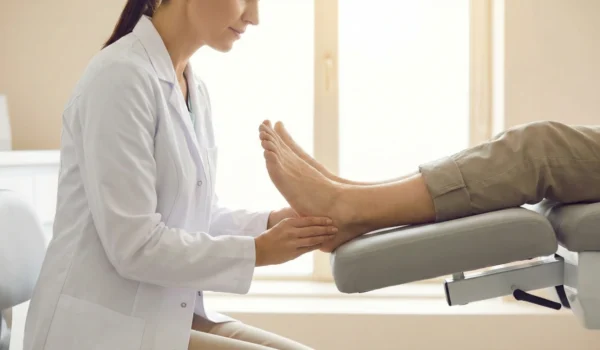
Physical Exam: A visual assessment of the skin and nails, followed by palpation to pinpoint the exact location of the pain.
-
Functional Testing: A biomechanical gait analysis and evaluation of joint range of motion.
-
Diagnosis & Plan: Establishing a definitive diagnosis and prescribing a course of treatment (laser, orthotics, or biologics).
Essential Foot Care: Do’s and Don’ts
For a successful recovery, it is crucial for patients to adhere to specific behavioral guidelines:
-
DO: Use cold compresses (ice) for acute swelling for no more than 15 minutes and always wear shoes with a firm heel counter and arch support.
-
DON’T: Apply heat to inflamed areas, walk barefoot on hard surfaces (tile, laminate), or take analgesics within 4 hours of an exam, as it may skew diagnostic tests.
Preparing for Your Visit:
-
Prepare a description of the pain (is it worse in the morning or after exercise?).
-
Bring 2–3 pairs of your most frequently worn shoes to help the doctor analyze wear patterns.
-
Have a list of your current medications and allergies ready.
When Is Emergency Help Required?
While standard foot discomfort can be managed with a scheduled appointment, certain situations require a trip to the Emergency Room (ER):
-
Suspected fracture or tendon rupture after acute trauma (inability to bear weight).
-
Severe swelling accompanied by heat and redness (a sign of infection).
-
Non-healing wounds or ulcers, particularly in patients with diabetes.
Contraindications:
Certain methods, including Remy Laser therapy, may have restrictions for patients with active cancer in the treatment area, metallic implants, or during pregnancy. A doctor will always screen for contraindications before beginning any procedure.
Frequently Asked Questions
What is the most effective way to treat sharp heel pain in the morning?
How long does it take to get used to custom foot orthotics?
Can dermal fillers really help with pain on the ball of the foot?
Yes. If you feel like you are “walking on your bones,” you may be suffering from fat pad atrophy. Radiesse Filler for Feet acts as an internal cushion, replacing the lost natural padding. This provides immediate shock absorption and is an excellent non-surgical solution for metatarsalgia.
What are the benefits of Platinum Biologics over traditional surgery?
Platinum Biologics uses regenerative growth factors to stimulate your body’s own healing mechanisms. It is ideal for chronic ligament or tendon injuries that haven’t responded to rest or physical therapy. Unlike surgery, it requires no downtime, carries minimal risk of complications, and focuses on repairing tissue rather than just removing it.
Is foot pain a normal part of aging?
Absolutely not. While our feet change as we age—muscles weaken and the fat pad thins—pain is always a signal that something is wrong. Whether it’s arthritis or biomechanical wear and tear, modern podiatry offers numerous ways to maintain mobility and comfort well into your senior years.