

This content is for informational purposes only and does not constitute medical advice. Please consult with a licensed podiatrist for a personalized evaluation and treatment plan. Individual results may vary.
The prevalence of bunions, or hallux valgus, is significantly higher in women, with clinical research indicating they are up to 10 times more likely to develop this deformity than men. This disparity is primarily caused by a combination of narrow-toed footwear, higher heels, and specific hormonal fluctuations that increase ligament laxity. A visit to a podiatric specialist is required when the bony protrusion at the base of the big toe causes persistent pain, limits footwear options, or results in inflammation that hinders daily walking and exercise.
For residents seeking relief in Los Angeles, comprehensive bunion care with Dr. Arkady Kaplansky offers advanced diagnostic and treatment options tailored to the Southern California lifestyle.
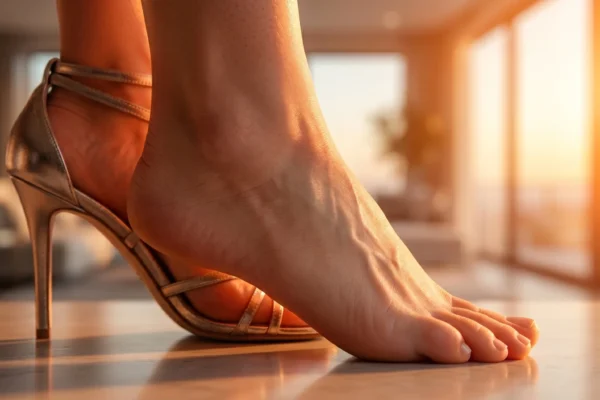
What Is the Mechanical Cause of Bunions on Feet?
This misalignment creates a prominent bump that rubs against shoes, leading to chronic bursitis and skin irritation. While genetics account for 60% to 90% of bunion cases, environmental triggers often dictate how fast the deformity progresses and how much pain is experienced. According to the Mayo Clinic, these mechanical issues often stem from an inherited foot type that puts the joint at risk.
Core Risk Factors for Bunion Development
- Genetic Predisposition: Inherited foot types, such as flat feet or low arches, are highly prone to joint instability.
- Repetitive Stress: Occupations that require long hours of standing on hard surfaces can accelerate joint wear.
- Inflammatory Conditions: Disorders such as rheumatoid arthritis can degrade the joint lining and ligaments.
- Footwear Choices: Consistent use of tight, non-supportive shoes remains the primary environmental accelerator.
- Previous Injuries: Old sprains or fractures that weren’t properly rehabilitated can alter the foot’s mechanics years later.
Why Do High Heels Cause Bunions to Worsen?
The Mechanical Shift of Weight
Common Shoe Styles That Aggravate Bunions
- Stilettos: Combine extreme height with a lack of stability, putting maximum pressure on the MTP joint.
- Pointed-Toe Flats: Even without a heel, the “V” shape of the toe box physically compresses the toes.
- Tapered Boots: Rigid materials prevent the foot from expanding naturally during the walking cycle.
- Flip-Flops: A lack of arch support causes the foot to overpronate, fueling the inward collapse of the big toe joint.
- D’Orsay Pumps: The cut-away sides often lack the structural integrity to hold the foot in proper alignment.
The Impact of Narrow Toe Boxes
How Do Hormonal Changes Affect Bunion Progression?
Hormonal Milestones and Foot Stability
- Pregnancy: The body produces Relaxin to loosen pelvic ligaments, which simultaneously flattens the arches of the feet.
- Menopause: Dropping estrogen levels can decrease collagen production, leading to stiffer joints and weaker tendons.
- Monthly Cycles: Fluctuations in progesterone may cause temporary increases in joint laxity and localized swelling.
- Puberty: In cases of juvenile hallux valgus, rapid growth spurts combined with hormonal shifts can trigger early misalignment.
The Role of Estrogen and Collagen
Symptoms and Clinical Indicators of Bunions in Women
| Symptom Category | Clinical Presentation | Common Patient Complaint |
|---|---|---|
| Visible Deformity | Bony protrusion at the first MTP joint | “My shoes feel too tight on the side.” |
| Inflammatory | Redness, warmth, and localized swelling | “The bump feels like it’s burning or throbbing.” |
| Mechanical | Overlapping toes or hammertoes | “My second toe is climbing over the big toe.” |
| Neurological | Tingling or numbness in the hallux | “I feel pins and needles when I wear sneakers.” |
| Functional | Inability to “push off” during walking | “I feel unsteady when I try to walk fast.” |
Secondary Physical Signs
- Callus Formation: Thickened skin buildup where the big toe and second toe rub together.
- Corns: Small, deep circles of hard skin on the top of the toe joints caused by friction against the shoe.
- Ingrown Toenails: Increased pressure from the second toe can force the nail of the big toe into the skin.
- Stiffness: A noticeable “grating” sensation (crepitus) when moving the big toe manually.
- Metatarsalgia: Sharp or dull pain under the ball of the foot due to shifted weight distribution.
The Path to Diagnosis: What to Expect
Physical Examination
Weight-Bearing X-Rays
Biomechanical Assessment
Proven Strategies for Bunion Management
Immediate At-Home Relief Steps
- Ice Therapy: Apply ice for 15 minutes after activity to reduce the inflammatory response.
- Footwear Audit: Donate or discard shoes that pinch the forefoot or have heels over 1.5 inches.
- Night Splints: Use corrective braces during sleep to gently stretch tight tendons and realign the joint.
- Toe Spacers: Wear silicone dividers during the day to prevent the toes from overlapping and rubbing.
- Contrast Baths: Alternating between warm and cold water to improve circulation and reduce stiffness.
Professional Intervention Options
- Custom Orthotics: Medical-grade inserts designed to correct the mechanical cause of bunions on feet by supporting the arch.
- Physical Therapy: Targeted exercises to strengthen the “intrinsic” muscles of the arch and improve balance.
- Padding: Non-medicated bunion pads to act as a buffer against shoe friction.
- Activity Modification: Switching from high-impact running to low-impact swimming or cycling during flare-ups.
Shoe Shopping Checklist for Bunion Sufferers
- Thumb Space: Ensure a half-inch of space between the longest toe and the end of the shoe.
- Flexible Material: Choose soft leather, suede, or mesh instead of rigid patent leather.
- Low Heel: Keep the heel height under 1 inch for daily wear to prevent weight shifting.
- Removable Insole: Allows for the insertion of custom orthotic devices without cramping the foot.
- Square or Round Toe: Provides maximum volume for the forefoot to expand naturally.
- Seamless Interior: Look for shoes without stitching over the bunion area to avoid irritation.
When Is Bunion Surgery Necessary?
Common Indications for Surgery:
- Severe foot pain that restricts everyday activities, including walking and wearing flat shoes.
- Chronic big toe inflammation and swelling that doesn’t improve with rest.
- Toe deformity where the big toe drifts significantly toward the small toes.
- Inability to bend or straighten the big toe due to joint stiffness.
Types of Modern Surgical Correction
- Osteotomy: A precise bone cut to realign the metatarsal to a straight position.
- Exostectomy: Removing the “bump” itself, usually combined with a structural realignment.
- Arthrodesis: Fusing the joint, typically reserved for severe arthritis cases or failed previous surgeries.
- Lapiplasty: A 3D correction technique that addresses the root instability of the metatarsal bone at its base.
By addressing the bunions’ cause through precise realignment, specialists help patients regain their mobility and return to an active, pain-free life in Southern California. Professionals often refer to the American Orthopaedic Foot & Ankle Society (AOFAS) for the most current surgical outcomes and patient recovery protocols.